
Certinia Financial Management Cloud.
UK implementation, integration and support for finance on Salesforce.
Certinia Financial Management Cloud brings accounting, billing, revenue management and financial planning capabilities onto Salesforce. dForce is a UK Certinia Business Partner helping finance and services teams design, implement, integrate and optimise a solution around their entities, reporting needs and business outcomes.
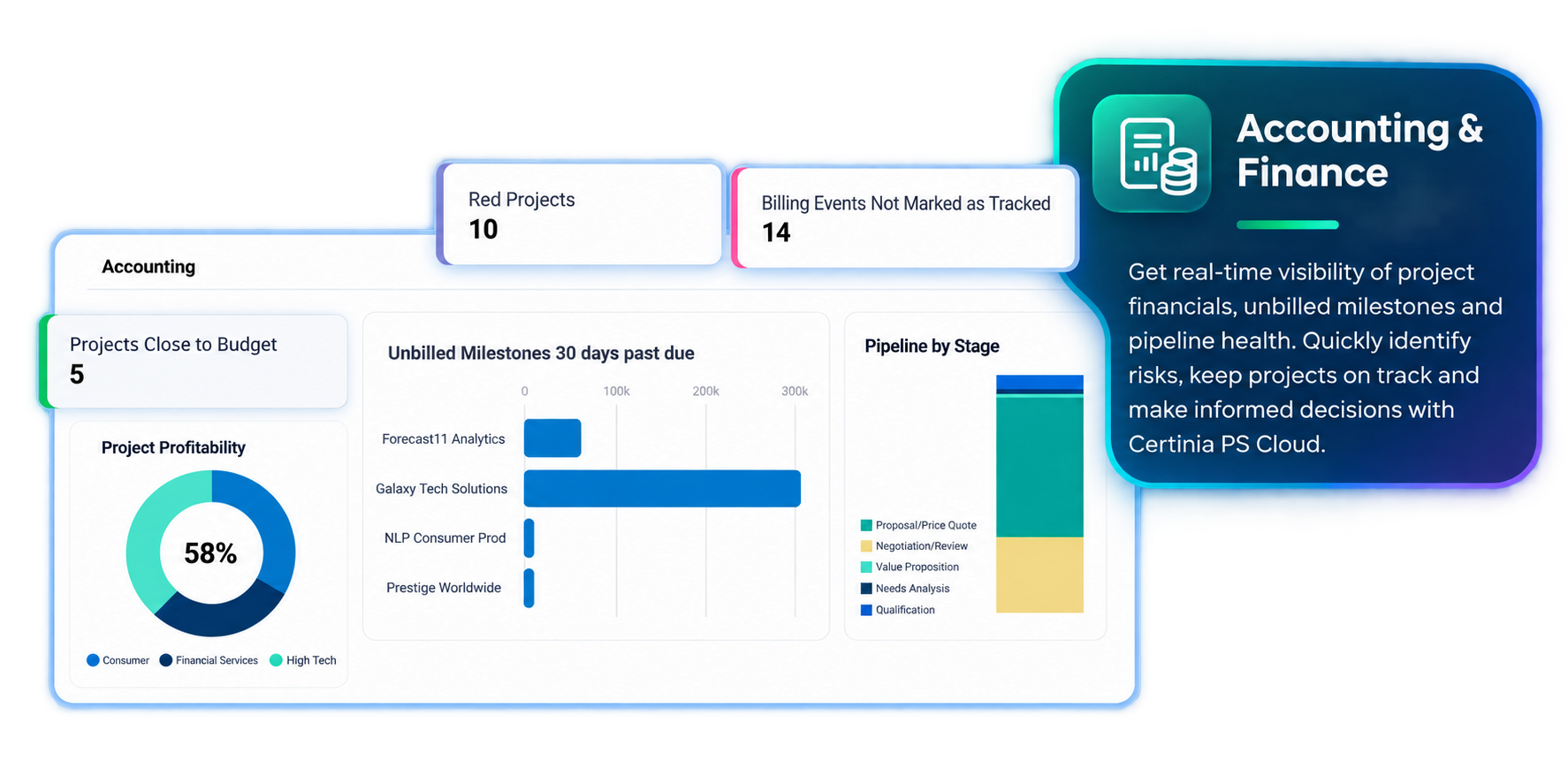
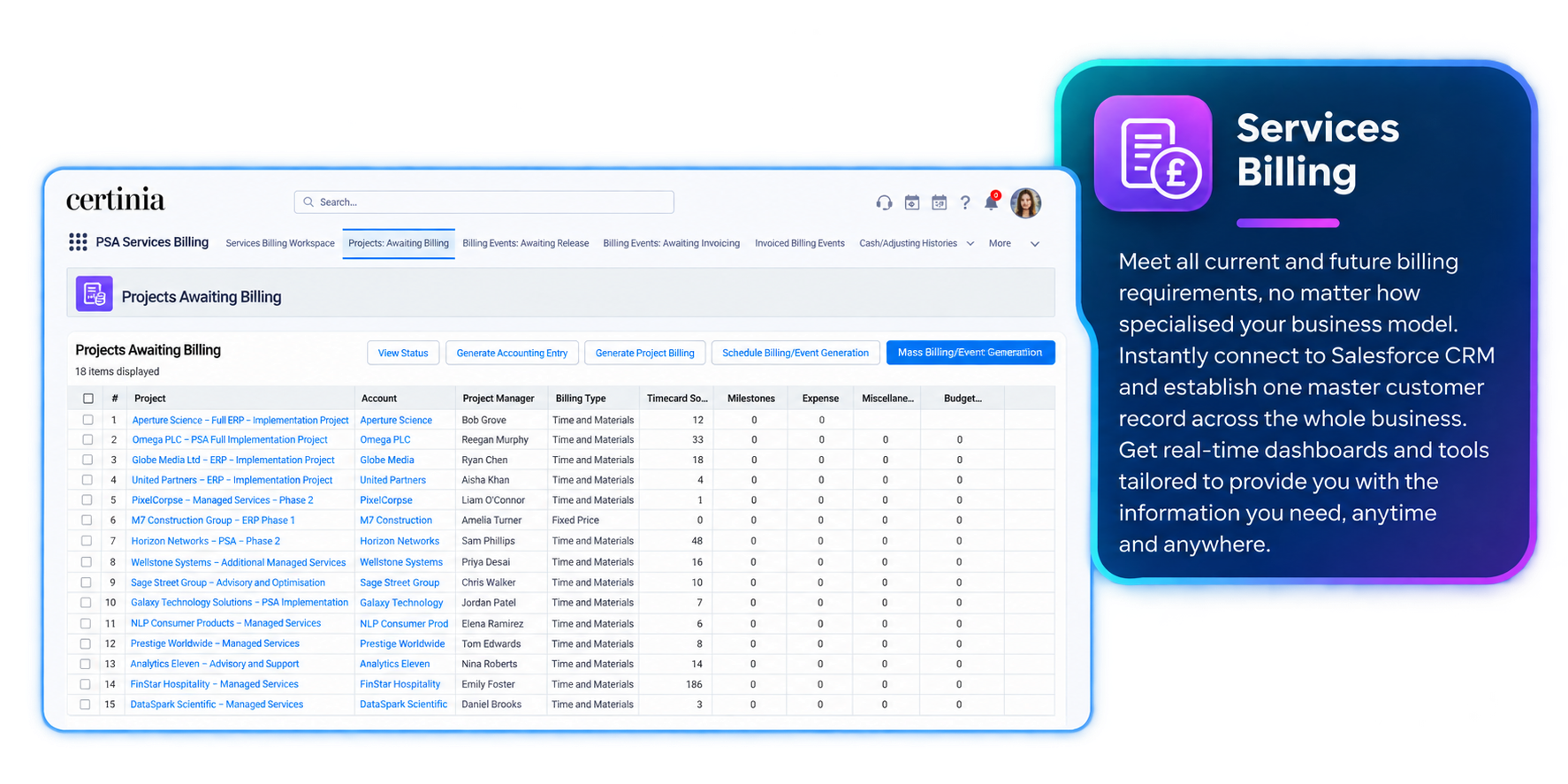
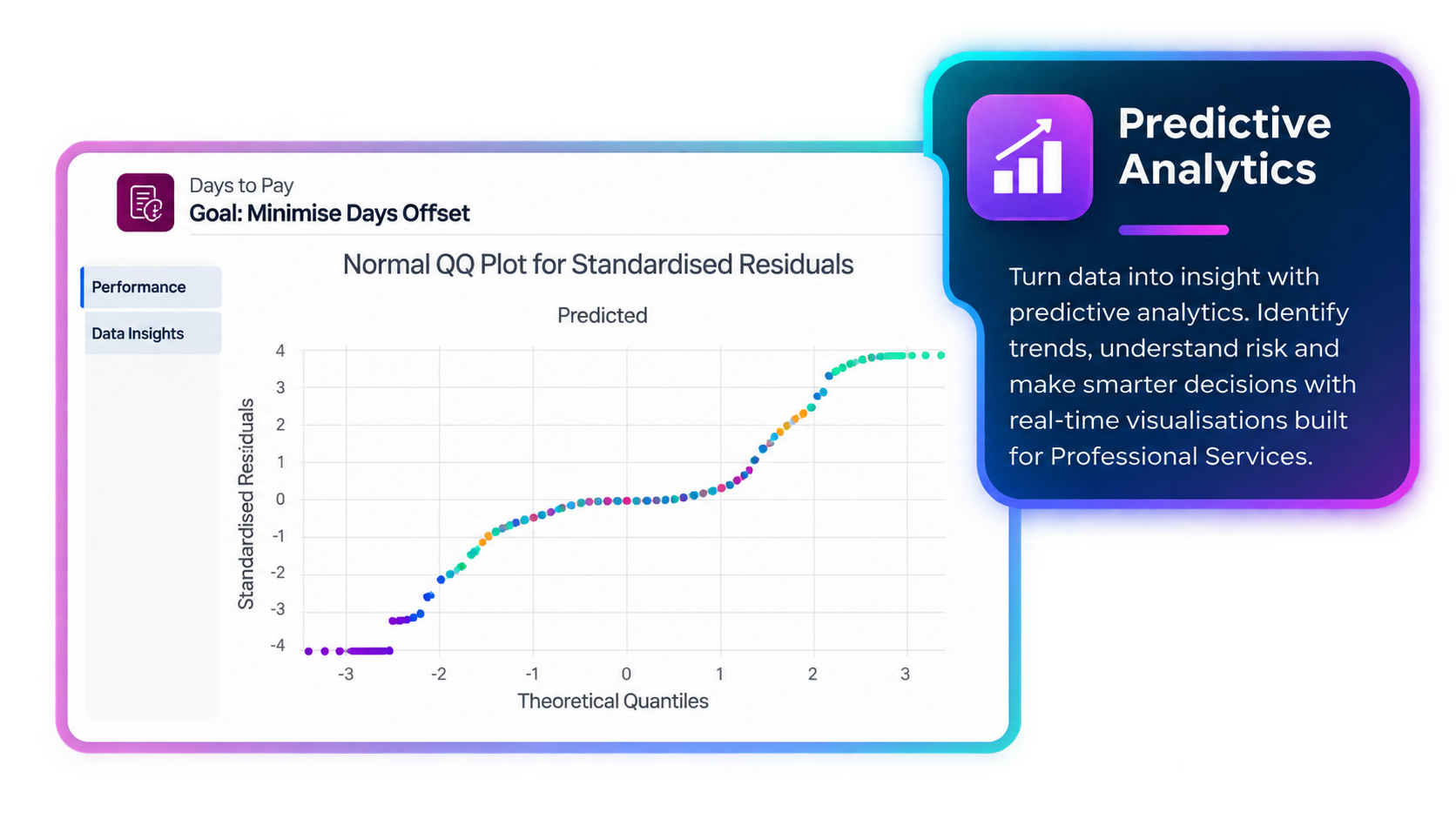
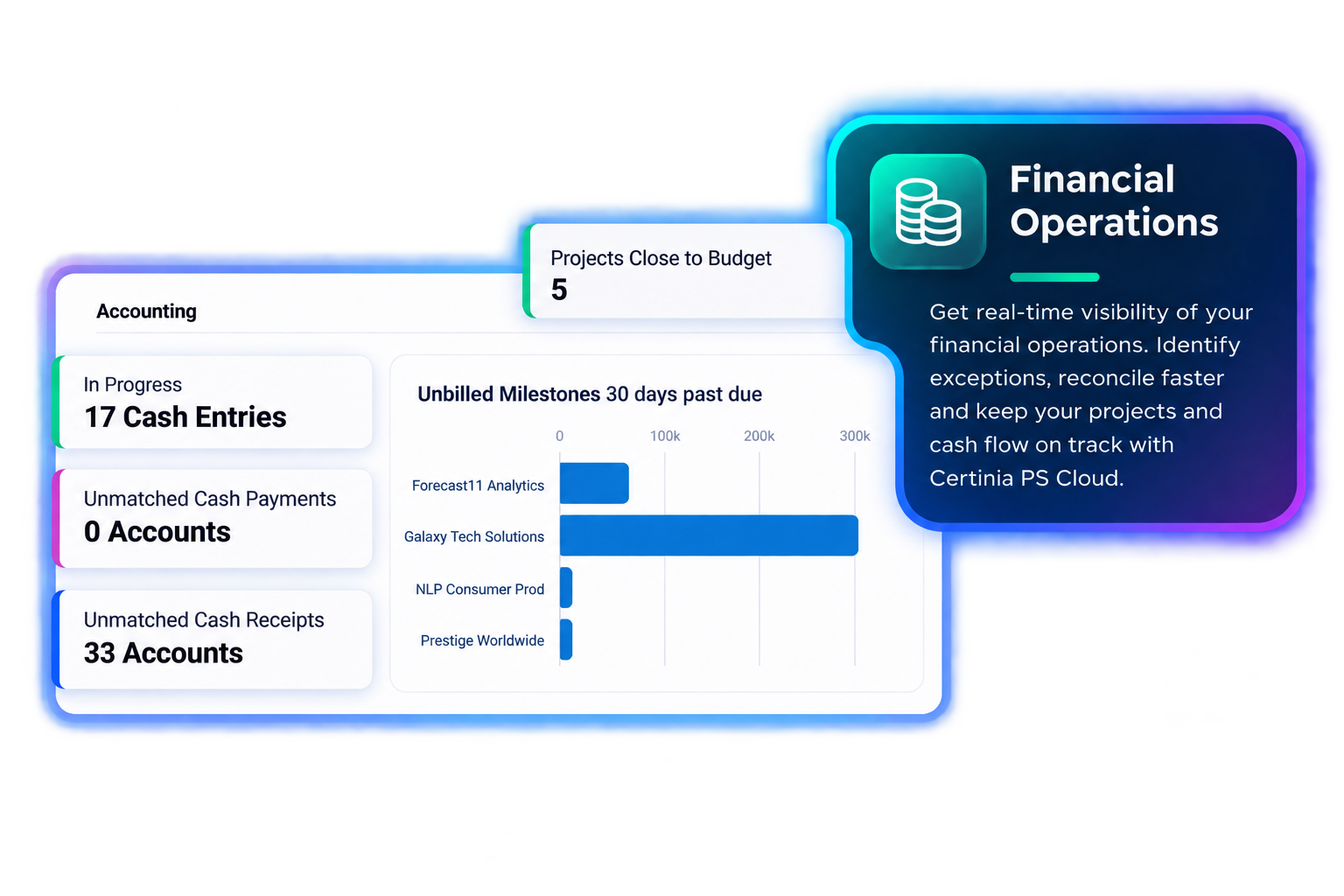
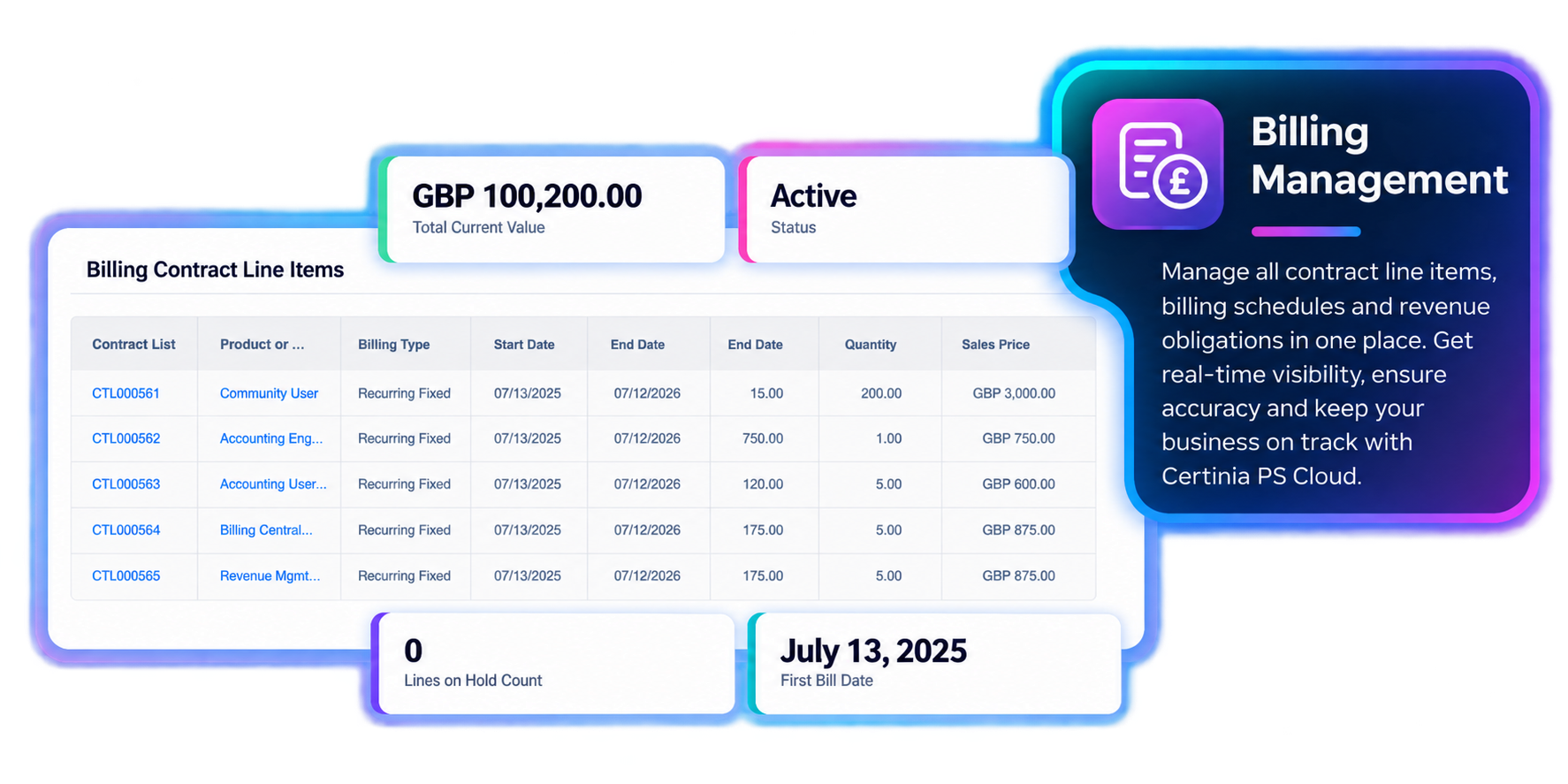
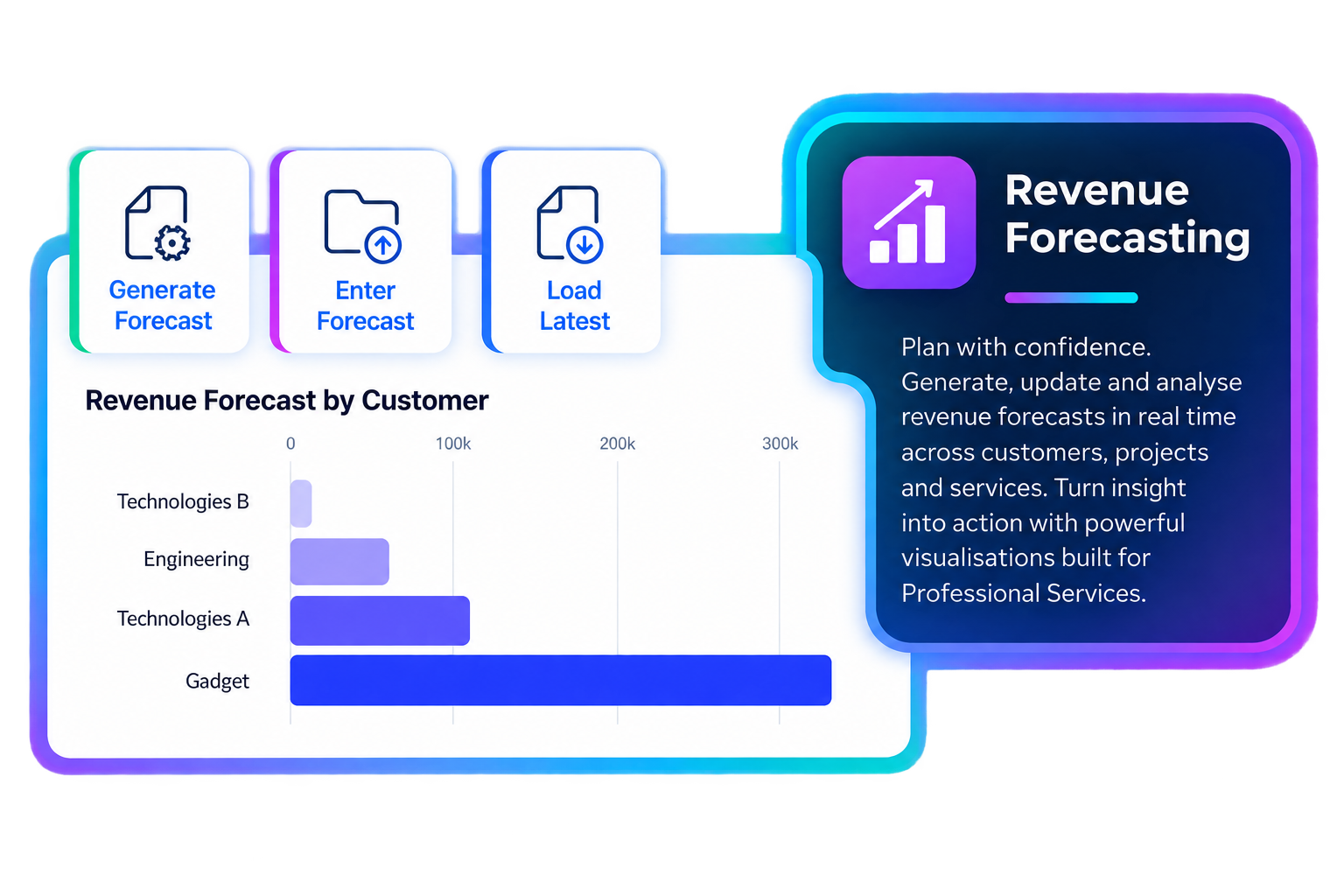
Connect accounting, billing and revenue recognition to the way your business works.
dForce helps finance teams define how customer, contract, project and financial data should work together. We agree the chart of accounts, reporting dimensions, approval controls, billing processes and integrations before configuring the solution. Our work covers discovery, implementation, migration, training and support beyond go-live.
For services businesses, we assess the connection with Certinia Professional Services Cloud and Customer Success Cloud. We also design interfaces to systems you retain, with clear ownership of data, reconciliations and exception handling. Explore our wider Certinia implementation capabilities.
What does your business need to achieve?
Tell us what you know — whether that’s a specific requirement, a business challenge or simply a question. We’ll help you work out what comes next.
The financial engine built to run the services economy, not just close the books.
The scope of Accounting, Billing Central, Revenue Management and Financial Planning & Analysis depends on your selected products and subscriptions. We confirm the required capabilities, configuration and integrations during discovery. Explore Certinia Financial Management Cloud.
Who we work with
When should a finance team review its systems?
A review is useful when finance relies on spreadsheets to connect contract, delivery and accounting information; billing rules vary by customer; revenue recognition needs repeated manual adjustments; or growing entity and reporting requirements are difficult to manage in the current setup.
dForce works with UK finance and professional services teams to define the outcome first. We assess your Salesforce strategy, existing applications, financial controls and reporting needs, then agree whether Certinia Financial Management Cloud is a suitable fit and how to introduce it.
Common questions
Certinia Financial Management Cloud: your questions answered.
What is Certinia Financial Management Cloud?
Certinia Financial Management Cloud brings finance capabilities onto Salesforce, including accounting, billing, revenue management and financial planning. The required combination depends on your business processes and subscriptions. dForce helps finance teams design, implement and connect the selected capabilities.
Who is Certinia Financial Management Cloud suitable for?
It is worth considering for finance teams that want their accounting, customer, contract and delivery information connected on Salesforce. Professional services, consulting and technology businesses can assess it alongside their requirements for billing, revenue recognition, entity reporting and financial control. dForce reviews the fit before recommending an approach.
What does a Certinia finance implementation involve?
- Define outcomes and controls. Agree the finance processes, reporting needs, entity scope and measures of success.
- Design and configure. Map accounts, dimensions, tax requirements, approvals, billing rules and revenue recognition policies into the agreed solution.
- Prepare data and integrations. Agree which master data, balances and open transactions to migrate, who validates them and how systems reconcile.
- Test and train. Run realistic scenarios for invoices, payments, recognition and period-end reporting, and train the people who will operate the system.
- Go live and improve. Support cut-over and adoption, review the initial close and prioritise the next improvements.
Our Ignition Quick Start approach targets eight weeks for suitable, agreed scopes. Entity complexity, migration readiness, integrations and customer availability determine whether that route is appropriate. We confirm the delivery plan during discovery.
How long does implementation take, and what does it cost?
The timetable and cost depend on the products, entities, processes, migration, integrations, reporting and training in scope. Ignition Quick Start targets eight weeks where the agreed scope is suitable. More complex programmes may need a phased approach. Software subscriptions and implementation services are separate considerations; dForce provides a scoped estimate and delivery plan after discovery.
How do Billing Central and Revenue Management differ?
Billing Central manages contract charges and the creation of billing documents. Revenue Management calculates the revenue or cost to recognise using configured source records and recognition rules. Billing and recognition can follow different timings. Where both products are used, dForce designs their connection to each other and to the accounting system.
Can Certinia finance connect with Professional Services Cloud or another system?
Yes. Certinia finance capabilities can connect with Professional Services Cloud on Salesforce and form part of an architecture that includes other applications. dForce agrees how customer, project, billing and financial data move between systems, including the available connectors or APIs, reconciliation and exception handling.
Can we migrate from an existing accounting system?
Yes, with a migration scope and validation plan. Discovery establishes which master data, opening balances, open invoices and historical information are needed, how they map to the new structure and who approves the reconciliations. Full transaction history is not assumed to be part of every implementation.
Can dForce support an existing Certinia finance environment?
Yes. dForce supports existing environments through process review, configuration improvements, reporting, integration, training and ongoing optimisation. We agree priorities with your finance team and plan changes around your operational responsibilities and reporting cycle.
No obligation. No sales pitch.
Just practical advice from people who’ve helped organisations modernise finance, professional services and customer operations.